
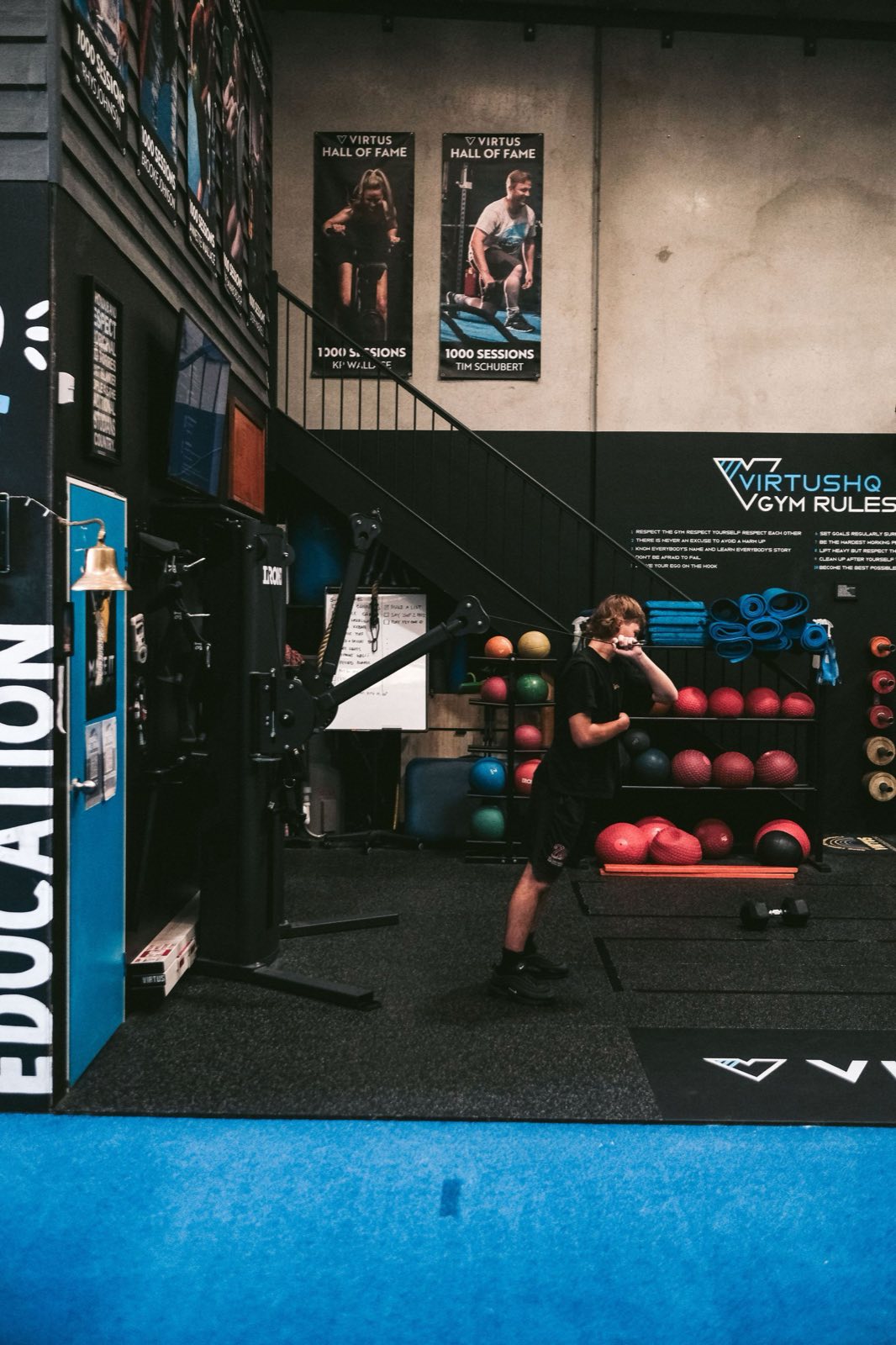
Yes. Strength training is generally safe for teenagers when the program is age-appropriate, the exercises are taught properly and a qualified coach supervises the work.
The important distinction is not weights versus no weights. It is coached, progressive training versus unsupervised lifting, poor technique and loads the young person is not ready to control.
What does the evidence say?
The American Academy of Pediatrics clinical report, reaffirmed in 2024, says children and adolescents can improve strength with low injury rates when proper technique and supervision are emphasised. It also describes possible benefits for health, fitness, physical literacy and reducing some injury risks.
The Australian Strength and Conditioning Association position stand covers appropriate starting age, training intensity, maximal lifts and practical programming for children and youth.
Neither source says every teenager should lift as heavily as possible. Both put the quality of the program and supervision at the centre.
Will lifting weights stunt a teenager's growth?
There is no good evidence that a properly designed and supervised strength program stunts normal growth.
The bigger risks come from inappropriate loading, poor equipment use, bad technique and training without qualified supervision. Those risks are managed by teaching movement first, progressing gradually and matching the program to the young person's experience and development.
What should safe junior strength training look like?
Good coaching should include:
- A conversation about sport, training history, injuries, health and the rest of the weekly load.
- Exercises the young person can control before more load is added.
- Clear teaching of bracing, landing, pushing, pulling, squatting and hinging.
- Gradual progression based on technique and training age, not ego or comparison.
- A coach who can see every repetition and change the session when something is not right.
- Enough recovery around school sport, club training, games and growth.
- A mix of strength, jumping, landing, speed, coordination and conditioning rather than barbell lifting alone.
Pain is not a badge of honour. Sharp pain, pain that changes movement, dizziness, unusual shortness of breath or symptoms that persist after training should be taken seriously. Stop the session and seek appropriate medical advice where needed.
What age can a child start?
There is no single birthday at which strength training suddenly becomes safe.
A useful starting point is whether the child can listen to instructions, follow safety rules and perform movements with control. Younger athletes usually spend more time on coordination, bodyweight strength, jumping and landing. External load is added only when the movement earns it.
Virtus coaches juniors from ages 10 to 18 and groups the work by training age as well as chronological age.
Should teenagers do one-repetition maximum lifts?
A new junior does not need maximal lifting to get stronger.
At Virtus, juniors do not begin with one-repetition maximum attempts. Coaches use repeatable submaximal work, movement quality and age-appropriate performance measures to guide progression. The goal is to build skill, strength and confidence that lasts, not to win a number on the first day.
How does Virtus start a junior safely?
The Junior 6-Week Intro to Strength and Conditioning costs $649 and includes:
- One onboarding session to assess movement and introduce the key principles.
- Two coached sessions each week for six weeks.
- Safe lifting technique and age-appropriate progressions.
- Speed, power, agility and coordination work.
- A coaching group capped at eight juniors.
Parents are welcome to watch. The first step is a Free Intro with the young person and a parent or guardian, so everyone can meet the coaches, see the floor and ask questions before deciding.
This article provides general information, not individual medical advice. A young person with a medical condition, current injury or concerning symptoms should get advice from their GP or treating health professional before starting.